
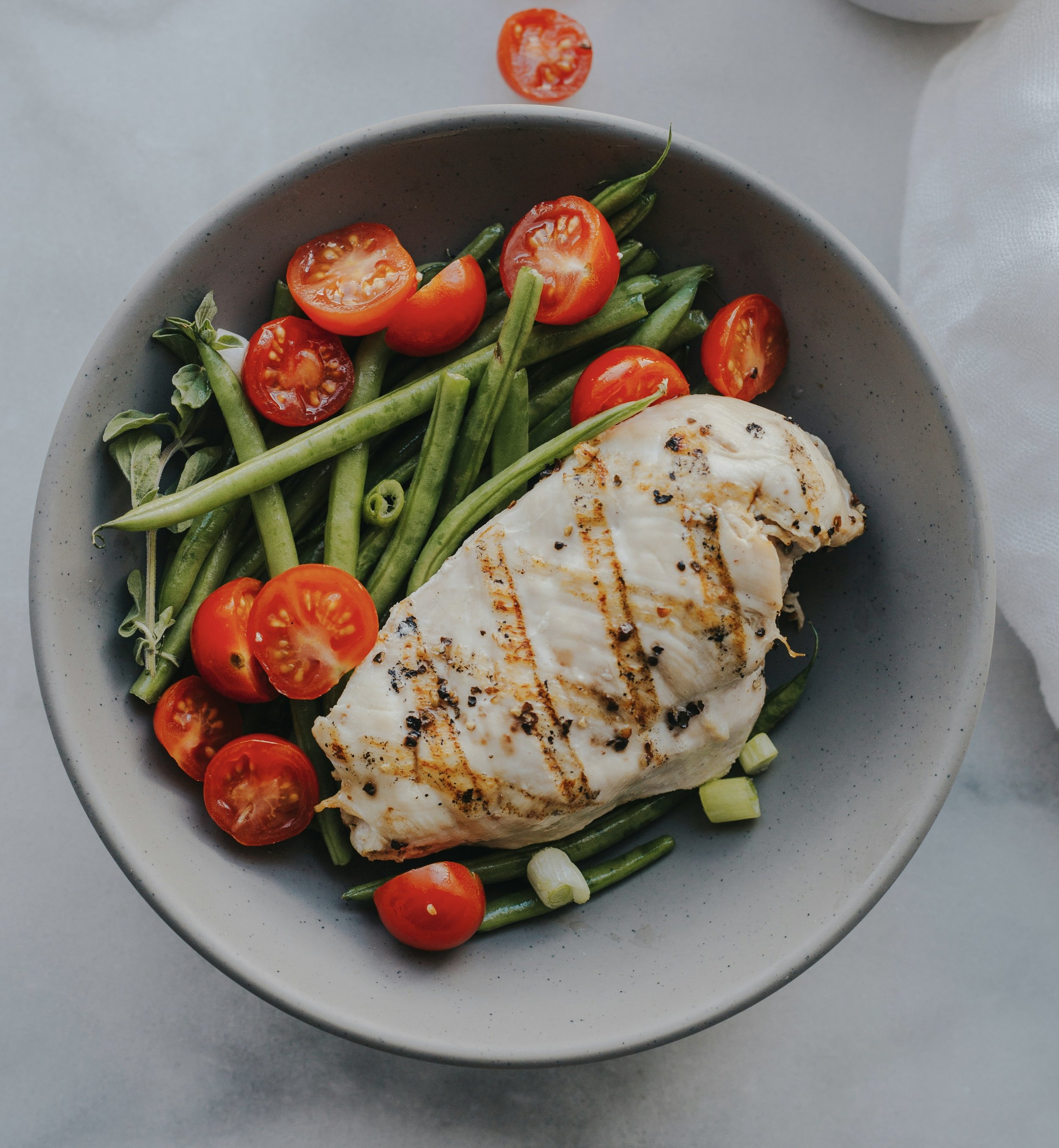
It's 2pm. You've had a coffee, half a muesli bar and a few bites of a salad you didn't finish between meetings. You're not hungry, so you tell yourself that's fine. Maybe it's even a good thing.
Plenty of women find their appetite isn't what it used to be in midlife. It might be stress, a run of bad sleep, a demanding season at work, illness, or a medication your doctor has prescribed. Whatever the reason, eating less can feel like progress, especially when you've spent years being told to eat less and move more.
Here's the part that rarely gets talked about. In perimenopause and menopause, eating less without a plan can quietly cost you muscle, and muscle is what keeps you strong, steadies your blood sugar and helps you feel like yourself. If you want to protect muscle in menopause, what you eat matters more when you're eating less, not less.
The short answer: To protect muscle in menopause when your appetite is low, make protein the priority at every meal (around 30 grams at each meal, spread across the day rather than just saved for dinner), do strength training on at least two days a week, and choose nutrient-dense whole foods so every mouthful counts. Women lose muscle during the menopause transition, and eating less without enough protein or resistance exercise can add to that loss.
Why Do Women Lose Muscle in Perimenopause and Menopause?
Falling oestrogen is linked to muscle loss, and it starts earlier than most women expect. A Finnish study followed 234 women aged 47 to 55 from perimenopause into early postmenopause and found their muscle mass decreased across every measure the researchers tested, from whole-body lean mass down to the thigh muscle itself (Juppi et al., 2020).
On average, the women lost about 1% of their muscle over roughly a year and a half (University of Jyväskylä). That might not sound like much, but it happens in a short window, and it adds up across the years that follow. The good news from the same study: women who were more physically active held on to more muscle.
Muscle isn't just about how your clothes fit. It's where your body stores and uses much of the glucose from your meals, which makes it one of your best allies for keeping your insulin low and slow. It's also what lets you carry the shopping in one trip, lift your suitcase into the overhead locker, and get up off the floor easily at 75.
The gradual loss of muscle mass and strength with age has a name: sarcopenia. Midlife is when you have the most to gain by getting ahead of it.
Why Does Eating Less Put Your Muscle at Risk?
When you eat less than your body uses, it doesn't only draw on fat. Some of what you lose comes from muscle. A review of the research on weight loss found that eating less reduces muscle mass, and that both adequate protein and resistance exercise help preserve it, with resistance exercise also improving strength (Cava et al., 2017).
There's a catch worth knowing. A later review found that higher protein with resistance exercise protects muscle well during a moderate drop in food intake, but the bigger the gap between what you eat and what you need, the less protein can protect you (Carbone et al., 2019).
That's why I don't encourage simply eating as little as possible, even on days when you're not hungry. Eating very little makes it much harder to hold on to the muscle you have.
Why eating less and exercising more stops working.
How Much Protein Do You Need to Protect Muscle in Menopause?
Aim for around 30 grams of protein at each meal, spread across the day. How you spread it matters as much as the total.
In a small study of eight healthy adults, eating about 30 grams of protein at each of three meals led to 25% more muscle-building over 24 hours than eating the same total protein skewed towards dinner, at roughly 10 grams for breakfast, 15 for lunch and 65 for dinner (Mamerow et al., 2014). It's a small study, but the pattern it describes is the one most busy women follow without realising it: a light breakfast, a rushed lunch and most of the day's protein at dinner.
Around 30 grams of protein looks roughly like:
A palm-sized piece of chicken, fish or lean red meat
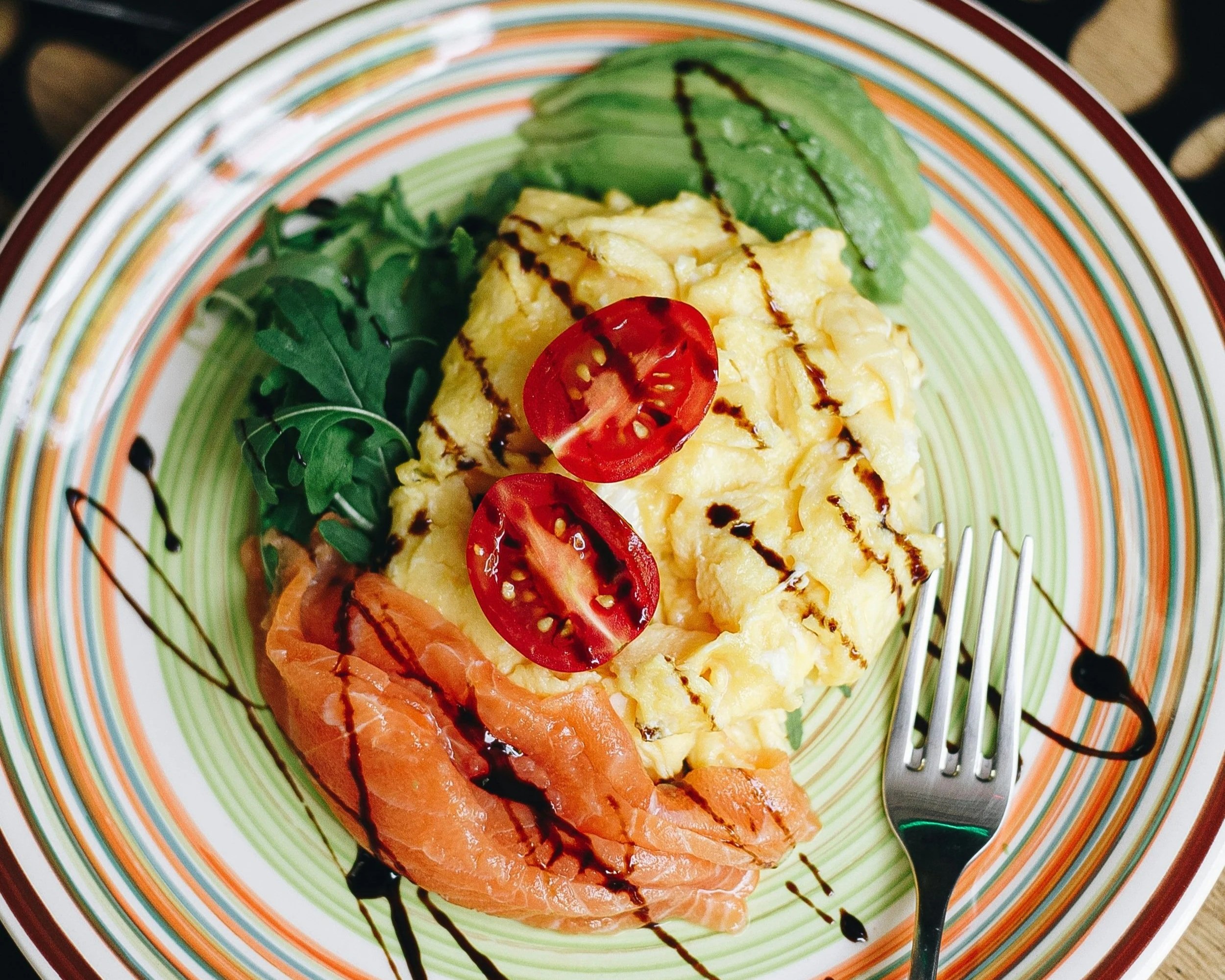
Three eggs with a serve of Greek yoghurt on the side
A cup of cooked lentils with a small tin of tuna
These are rough guides, and amounts vary by product, so check labels where you can. Your own needs depend on your size, how active you are and your health. If you have kidney disease or another medical condition, check with your GP before increasing your protein.
What if you're just not hungry?
This is where a plan matters more than willpower.
Eat to a plan, not to hunger. If your appetite is low, hunger won't remind you to eat. Set your meal times and stick to them.
Start with the protein. Eat the protein on your plate first, so if you can only manage half, you've had the part that matters most.
Go smaller and softer. Eggs, Greek yoghurt, cottage cheese, fish, and soups with lentils or chicken are easier to manage when food feels like a chore.
Don't skip breakfast entirely. It's the meal most women skimp on, and it's your first chance to get protein in.
If your appetite has been low for weeks, or you're losing weight without trying, please talk to your GP. It's always worth checking.
Why Is Strength Training So Important in Midlife?
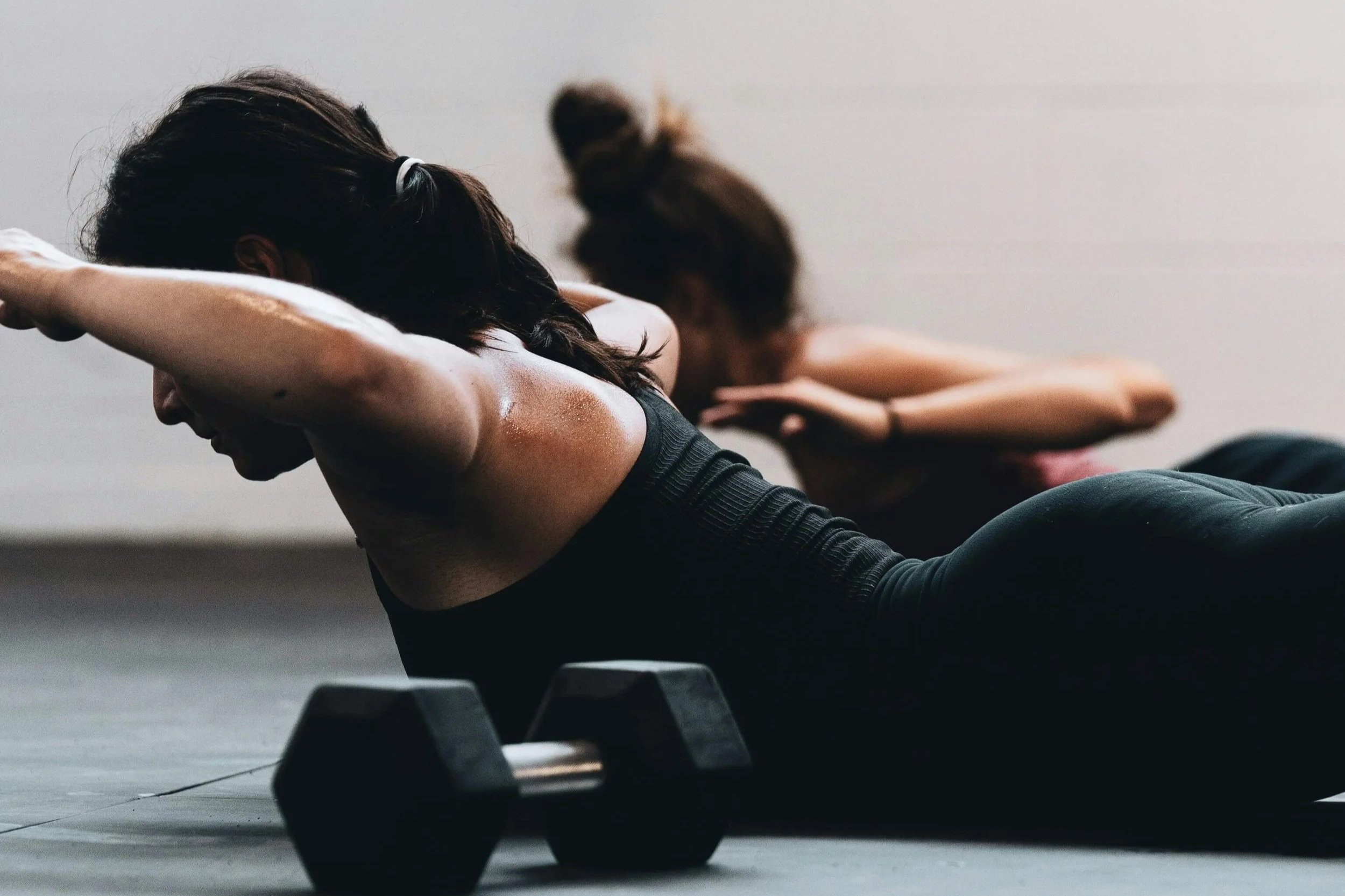
Strength training tells your body to keep its muscle. Protein gives it the building blocks to do that. You need both.
Australia's physical activity guidelines recommend muscle-strengthening activity on at least two days each week (Better Health Channel). Most of us don't get there. In 2022, 73% of Australian adults aged 18 to 64 didn't do enough muscle-strengthening activity, and among 55 to 64-year-olds who fell short, 94% did none at all (AIHW).
If you've been relying on spin, running or long cardio sessions, you're not doing anything wrong. But harder isn't better at midlife. Smarter is. Cardio is good for your heart; it just isn't enough on its own to protect your muscle.
"When your appetite is down, what you do eat becomes even more important. And strength training is a key part of the picture." — Alivia (Liv) Cortez
You don't need a gym membership to start. Two sessions of 20 to 30 minutes a week, built around a handful of movements, is a solid foundation:
Squats (to a chair to start)
Push-ups (against a bench or kitchen bench)
Rows (with a dumbbell or resistance band)
Hip hinges, such as a deadlift with light weights
Carries, walking while holding something heavy, like the shopping
Start lighter than you think you need, focus on good form, and add a little more weight or a few more reps over time. Your muscles need recovery too, so protect your sleep.
What Else Belongs on Your Plate When You're Eating Less?
Choose foods that pack the most nutrition into a smaller amount. When you're eating less, there's less room for food that fills you up without giving much back.
Colourful vegetables for fibre, vitamins and minerals
Healthy fats such as olive oil, avocado, nuts and seeds
Slower carbohydrates like legumes and wholegrains, eaten alongside protein to help keep your insulin low and slow
Fluids across the day, especially if you're eating less food, which also means less water from food
It doesn't have to be perfect. One splurge doesn't mean throwing it all out the window. What matters is what you do most days.
Why Does a Personalised Plan Matter More When You're Eating Less?
The smaller your plate, the less room there is for guesswork. Generic advice like "eat healthily" was never very precise, and when you're eating less, each meal has to carry more of your nutrition.
That's why I work with women through the Metabolic Balance® Program. Your plan is built from your own blood test, analysing 36 markers, along with your health history and food preferences. It's real food chosen for your body: no shakes, no points and no calorie counting. Over 12 weeks, with weekly check-ins, you learn what works for your body now, so you're not relying on appetite to tell you what to eat.
As a personal trainer, I also help you build strength from wherever you're starting, so the food and the movement work together.
Anything medical, including diagnosis, medication and HRT, stays with your GP. I look after the food and the movement.
Functional Blood Chemistry Analysis
Frequently Asked Questions
Do women lose muscle during menopause? Yes. Research following women from perimenopause into early postmenopause found muscle mass decreased during the transition, by about 1% on average over roughly a year and a half. Women who were more physically active kept more muscle.
How much protein should I eat per meal in midlife? Around 30 grams per meal, breakfast, lunch and dinner, is a useful guide for protecting muscle. Your own needs depend on your size, activity and health, so check with your GP if you have a medical condition such as kidney disease.
Is it okay to skip meals if I'm not hungry? Now and then, yes. But regularly skipping meals makes it hard to get enough protein, which puts muscle at risk. If your appetite has been low for weeks or you're losing weight without trying, talk to your GP.
Can I still build strength in my 50s? Yes. Resistance exercise improves strength during midlife and beyond, and two sessions a week is a good place to start.
Ready to Feel Strong in Your Body Again?
Eating less doesn't have to mean losing the muscle that keeps you strong. Make protein the priority at every meal, lift something heavy-ish twice a week, and choose foods that give you the most for each mouthful.
Wellness is simple, but that doesn't mean it's easy. If you'd like a plan built for your body, not someone else's, I'd love to chat.
[BUTTON: Book your free 30-minute discovery call → link to booking page]
Written by Alivia (Liv) Cortez, Nutritionist (RHN, Canada) | ACE Certified Personal Trainer | Certified Perimenopause & Menopause Coach, Women's Health Institute | Metabolic Balance® Practitioner | Certified in Functional Blood Chemistry Analysis (Optimal DX). Frame Philosophy
This article is general information, not medical advice. Please speak with your GP about your individual health, including any medication.
